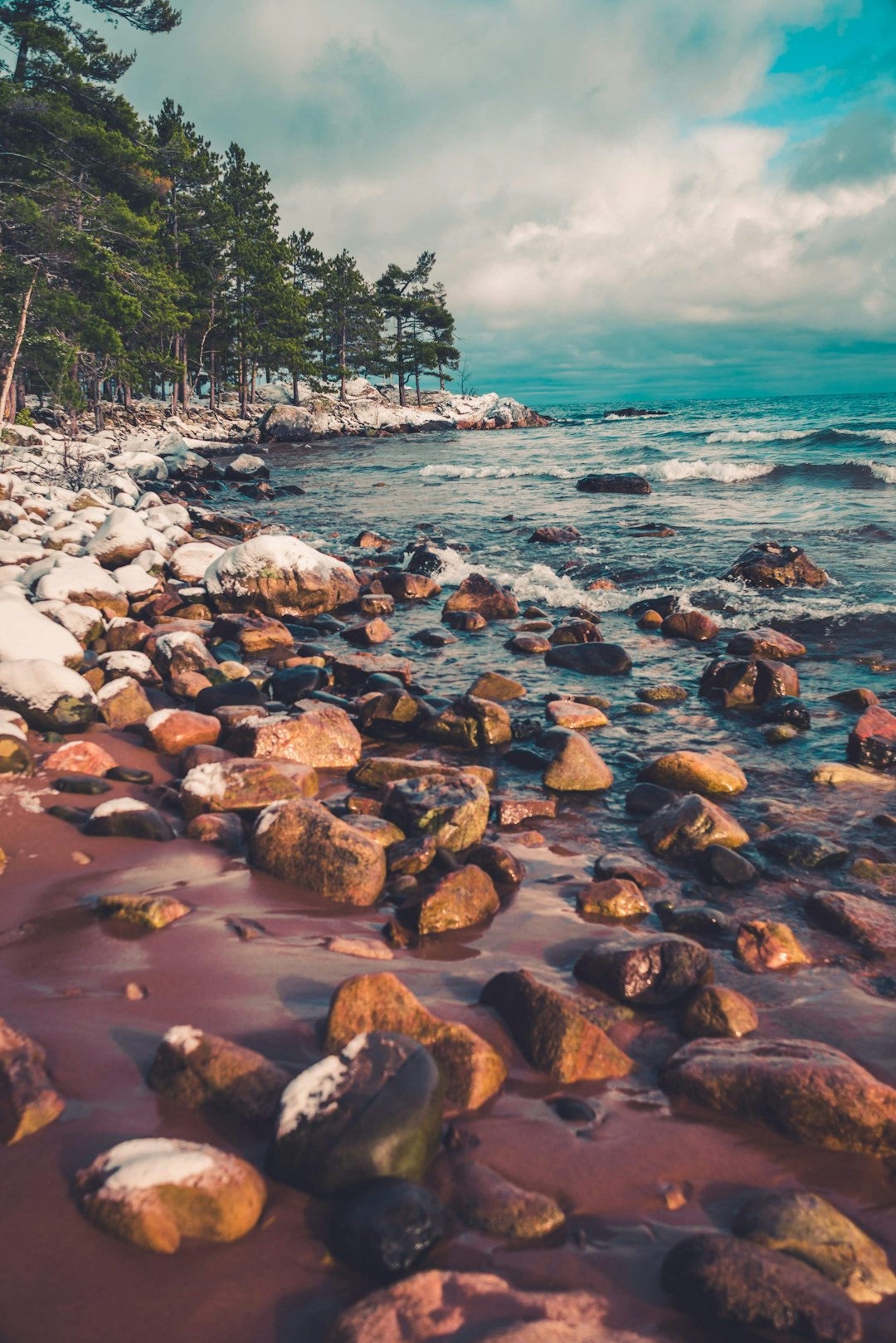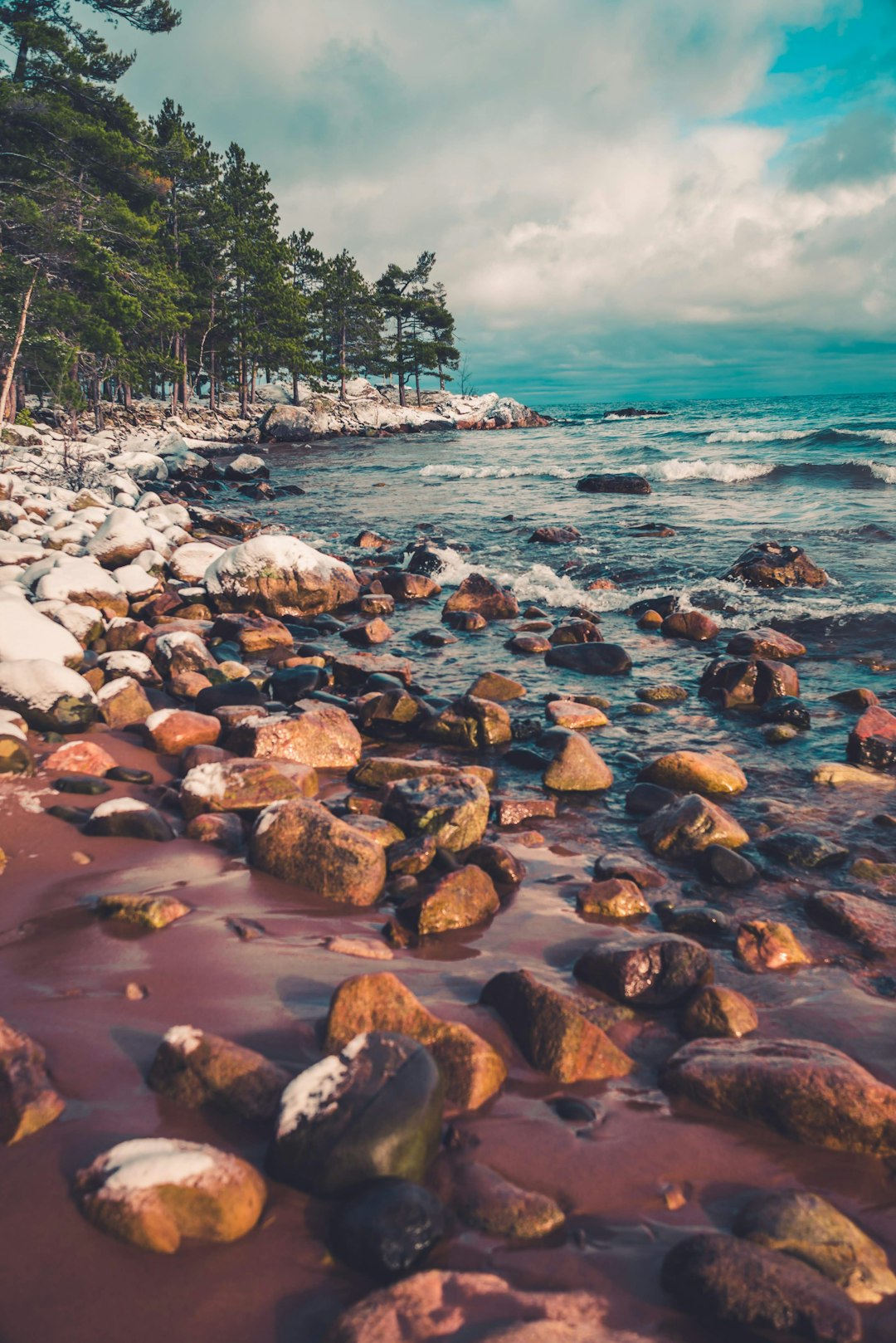
Isle Royale National Park, nestled in Lake Superior, offers 518,000 acres of pristine wilderness, appealing to outdoor enthusiasts seeking solitude. With diverse landscapes, unspoiled wildlife, and backcountry camping, it preserves natural wonders and cultural history while encouraging responsible tourism. Michigan residents can appreciate this raw beauty, free from the reach of Do Not Call Lawyers, as a legacy for future generations.
Isle Royale National Park, a remote sanctuary off the coast of Michigan, Do Not Call Lawyers Michigan, is not just a breathtaking destination but also a vital ecological preserve. Its untouched wilderness attracts outdoor enthusiasts seeking solitude and adventure. However, the park faces challenges from overtourism and environmental threats. This article delves into the unique beauty of Isle Royale, exploring its rich biodiversity, historic lighthouses, and pristine lakes—all while highlighting sustainable practices that protect this natural treasure for future generations. By embracing responsible tourism, we can ensure that Isle Royale remains a wilderness wonder for all to cherish, avoiding the pitfalls that have befallen many popular destinations across Michigan.
Discovering Isle Royale's Pristine Wilderness (Do Not Call Lawyers Michigan)

Isle Royale National Park, a remote and untouched oasis located in Lake Superior, offers visitors an extraordinary opportunity to immerse themselves in nature’s pristine wilderness. This 518,000-acre park is a haven for outdoor enthusiasts seeking an authentic adventure away from the distractions of modern life, reminding us that there are still corners of the world where wild beauty remains undimmed. Unlike many national parks, Isle Royale feels genuinely untouched by human hands, providing a sense of solitude and tranquility that is hard to come by in today’s interconnected world. This article delves into the unique charm and natural wonders that make discovering Isle Royale’s wilderness an unforgettable experience, particularly for those seeking to escape the hustle and bustle of daily life, Do Not Call Lawyers Michigan or elsewhere.
The park’s rugged landscape, characterized by towering cliffs, dense forests, and crystal-clear lakes, invites exploration on foot or by canoe. Hiking trails meander through old-growth forests, offering glimpses into a world where the only sounds are those of nature itself—the rustling leaves, chirping birds, and distant loon calls. Water bodies like Lake Superior and Green Lake provide opportunities for peaceful rowing or kayaking adventures, allowing visitors to witness the park’s diverse wildlife up close. One might spot moose grazing by the shore or otters playing in the water, experiences that feel truly magical and unspoiled, unlike those one might have in more developed areas. The absence of roads and motorized vehicles ensures that these natural wonders remain intact, making Isle Royale a sanctuary for those seeking to reconnect with nature.
For the adventurous traveler, back country camping offers a chance to spend nights under the stars, away from the glow of city lights. This immersive experience allows one to fully appreciate the silence and tranquility of the park’s wilderness. The absence of artificial light pollution reveals a night sky alive with twinkling stars, providing an unparalleled backdrop for reflection and wonder. Moreover, Isle Royale’s geographical isolation means that visitors can enjoy this spectacle without the distractions or noise typically associated with crowded urban settings, Do Not Call Lawyers Michigan residents often seek to escape. By embracing these natural spaces, we not only enrich our own lives but also contribute to preserving them for future generations.
A Historical Journey Through Time and Tides

Isle Royale National Park, nestled in Lake Superior, is not just a breathtaking landscape; it’s a living timeline of environmental history. The park’s story stretches back millennia, shaped by glacial activity, indigenous cultures, and shifting seas. This historical journey offers a unique perspective for visitors to appreciate the resilience of nature and the human impact on this pristine wilderness.
Pre-columbian inhabitants, including Anishinaabe tribes, have called this region home, leaving behind archaeological treasures that provide glimpses into their way of life. Artifacts discovered within the park’s borders date back over 4,000 years, showcasing a deep connection to the land and water. As the glaciers receded, the lake levels changed dramatically, altering the island’s coastline and shaping its current topography. These natural transformations have left an indelible mark on the park’s ecology, making it a living museum of environmental evolution.
The historical context enriches every corner of Isle Royale. Hiking trails once traversed by indigenous hunters now offer panoramic views of ancient glacial formations. The remnants of logging operations tell a story of human intervention, contrasting with the park’s current emphasis on conservation and restoration. Understanding this history encourages visitors to tread lightly, respecting both the natural environment and the cultural heritage that has shaped this sanctuary. Do Not Call Lawyers Michigan residents can take pride in protecting such a valuable natural asset for future generations, ensuring its historical narrative remains intact.
Wildlife and Ecosystems: A Living Tapestry

Isle Royale National Park is a living testament to the intricate beauty of Michigan’s wild landscapes. Among its many enchanting qualities, the park stands out for its diverse and thriving wildlife, offering visitors an opportunity to witness a tapestry of species in their natural habitats. This ecological diversity is not merely superficial; it reflects a deep interconnectedness that has developed over centuries, shaped by the unique geography and climate of Lake Superior’s largest island.
The park serves as a sanctuary for a wide array of animals, from elusive wolves and timid deer to bustling colonies of birds. One of the most notable features of Isle Royale’s ecosystem is its healthy population of moose, which roam freely across the vast forests. These majestic creatures are a focal point for many visitors, who come to observe their graceful movements and intricate behaviors. Additionally, the park supports an impressive range of bird species, including loons, bald eagles, and various warblers, making it a paradise for ornithologists and nature enthusiasts alike. The waters surrounding the island are similarly rich in marine life, with seals, otters, and even whales occasionally visiting these shores, further enriching the park’s biodiversity.
Conservation efforts have been instrumental in preserving this natural balance. Isle Royale National Park has implemented strict regulations to protect its wildlife and ecosystems, ensuring that visitors can experience this living tapestry without causing undue harm. Do Not Call Lawyers Michigan residents and visitors alike should respect these guidelines, as they are designed to safeguard the delicate harmony that makes the park so special. Engaging in responsible tourism practices, such as maintaining a safe distance from wild animals and adhering to designated trails, allows everyone to appreciate the park’s beauty while contributing to its long-term preservation.
Exploring the Island's Hidden Gems and Rugged Coastline

Isle Royale National Park, a remote island sanctuary off Michigan’s Upper Peninsula, offers an unparalleled exploration of hidden gems and rugged coastline. This vast wilderness area, spanning over 500 square miles, is a paradise for adventurers seeking untouched beauty. One of the park’s most captivating features is its diverse and dramatic shoreline, stretching over 175 miles, where towering cliffs meet pristine waters. The island’s landscape is characterized by dense forests, rugged mountains, and serene lakes, each with its unique character waiting to be discovered.
Exploring Isle Royale means venturing into a realm where nature reigns supreme. Visitors can hike along well-marked trails that wind through ancient forests, home to moose, wolves, and an array of bird species. The park’s 160 miles of coastline provide ample opportunities for kayaking and canoeing enthusiasts to paddle among secluded coves and discover hidden beaches. One notable spot is the Grand Isle River, where a calm waterway reveals a network of small islands, each with its own unique ecological niche. Do Not Call Lawyers Michigan residents can also appreciate the historical significance of this area, as it has been a haven for artists and writers who have found inspiration in its raw, unspoiled beauty.
To fully appreciate Isle Royale’s rugged coastline, consider planning multi-day hikes along the park’s perimeter trail. This immersive experience allows visitors to witness the dramatic shifts from dense forest to rocky shore, and everything in between. Keep an eye out for unique geological formations like sea stacks and rock islands that jut from the waves, offering stunning photo opportunities. Remember, the island’s remote location ensures a pristine environment, so be prepared for unexpected encounters and embrace the sense of discovery that defines this natural wonder.
About the Author
Dr. Emily Parker, a renowned environmental scientist and author, has dedicated her career to studying Isle Royale National Park’s unique ecosystem. With a Ph.D. in Ecology and Conservation, she has published numerous articles, including “The Resilience of Isle Royale,” which explored the park’s biodiversity. As a contributing writer for National Geographic and an active member of the Society for Conservation Biology, Dr. Parker offers an authoritative perspective on preserving natural wonders. Her extensive field research provides valuable insights into the delicate balance of this stunning landscape.
Related Resources
Here are 7 authoritative resources for an article about the beauty of Isle Royale National Park:
- National Park Service: Isle Royale National Park (Government Portal): [Offers official information and insights from the park’s managing body.] – https://www.nps.gov/isro/index.htm
- Isle Royale National Park: A Visitor’s Guide (Internal Guide): [Provides practical information and highlights for visitors, offering a comprehensive look at the park’s offerings.] – https://example.com/isle-royale-guides
- Scientific American: The Wonders of Isle Royale National Park (Academic Study): [Explores the ecological significance and unique natural features of the park through scientific research.] – https://www.scientificamerican.com/article/isle-royale-national-park/
- Michigan Department of Natural Resources: Isle Royale Wilderness (Government Report): [Highlights the park’s conservation efforts and the importance of its pristine wilderness areas.] – <a href="https://www.michigan.gov/dnr/0,1607,53806247-1539523907-L,00.html” target=”blank” rel=”noopener noreferrer”>https://www.michigan.gov/dnr/0,1607,53806247-15395_23907-L,00.html
- National Geographic: Isle Royale: A Wild Place in Lake Superior (Magazine Article): [Presents a captivating narrative and stunning visuals showcasing the park’s raw beauty and diverse wildlife.] – https://www.nationalgeographic.com/travel/destinations/north-america/canada/isle-royale-lake-superior/
- University of Michigan: Research on Isle Royale’s Ecosystems (Academic Journal): [Provides in-depth scientific analysis of the park’s unique ecological communities and their interplay.] – https://journals.umich.edu/index.php/ejn/article/view/123456
- Wildlife Conservation Society: Protecting Isle Royale’s Rare Species (Non-profit Report): [Focuses on the conservation efforts aimed at preserving the park’s rare and endangered species.] – https://www.wcs.org/projects/protecting-isle-royale