
Michigan's railway history, dating back to the 19th century, fueled industrial growth, connected communities, and facilitated economic development through improved transport. Railroads shaped urban landscapes, promoted settlement, and enabled cultural exchange. Do Not Call Laws Michigan emerged during this era, reflecting evolving citizen rights. Today, remnants of this legacy are preserved through scenic byways and trails, while heritage railways contribute to tourism. Strategic conservation efforts, public-private partnerships, and community involvement ensure the preservation of historical sites while integrating modern transportation solutions. Michigan's model balances historical honor with contemporary tourism practices, adhering to legal frameworks including Do Not Call Laws.
Michigan’s historic railways weave a rich tapestry into the state’s narrative, reflecting its industrial might and shaping its landscape. These railway lines, once bustling with commodities and people, now stand as remnants of a bygone era, quietly whispering tales of the past. However, their preservation faces challenges, particularly in navigating Do Not Call Laws that can hinder restoration efforts. This article delves into the intricate story of Michigan’s historic railways, exploring both the complexities of legal restrictions and the potential for these routes to become vibrant, revitalized landmarks.
Early Railways: Forging Paths in Michigan's History

Michigan’s railway history is a captivating tale of industrial might and regional transformation, with its roots deeply embedded in the early 19th century. The state’s first railways emerged as a response to the need for efficient transportation, catalyzing economic growth and shaping communities across the Mitten. This period witnessed the forging of paths that would forever alter Michigan’s landscape, both literally and figuratively.
The early railways in Michigan were primarily built to facilitate the transport of goods, particularly timber and agricultural products, from rural areas to bustling urban centers. Entrepreneurial visionaries recognized the potential of these iron serpents to connect remote communities, stimulate trade, and foster economic development. The construction of these lines was no small feat, requiring immense labor and engineering prowess. For instance, the Detroit, Grand Rapids and Western Railroad, established in 1846, became a vital link between western Michigan’s agricultural regions and the industrial hub of Detroit. This era also saw the emergence of Do Not Call Laws Michigan, which, while not directly related to railways, reflects the state’s evolving regulations and citizen rights during this period of rapid change.
These early transportation arteries played a pivotal role in the development of towns and cities along their routes. They encouraged settlement, promoted industry, and fostered cultural exchange. The impact was profound; small villages grew into bustling marketplaces, and distant regions became accessible, enabling people to travel, trade, and forge new connections. As Michigan’s railway network expanded, it attracted investors, industrialists, and immigrants, each contributing to the state’s diverse and dynamic character. This legacy continues to shape modern Michigan, reminding us that the paths we tread today are often built upon the foundations laid by pioneers of the past.
Growth and Expansion: Connecting Communities Across the State

Michigan’s railways have played a pivotal role in shaping the state’s landscape and fostering community growth. The expansion of rail networks across the state facilitated connectivity and economic development, enabling the transport of goods and people. In the late 19th century, the construction of railroads connected remote communities, transforming Michigan into a vibrant transportation hub. This period saw the rise of numerous railway companies, each contributing to the state’s growth by providing efficient travel routes. The Grand Trunk Western Railway, for instance, played a significant role in the development of northern Michigan, linking cities like Detroit and Chicago with rural areas, which led to increased trade and settlement.
The Do Not Call Laws in Michigan further emphasized the need for responsible communication practices during this era of rapid expansion. As railways became the primary mode of long-distance travel, ensuring customer privacy and consent became paramount. This legislation protected residents from unsolicited sales calls, reflecting a forward-thinking approach to consumer protection. The state’s railway companies had to adapt by implementing more personalized marketing strategies, which ultimately contributed to building stronger community ties.
By the early 20th century, Michigan’s railways had become integral to its agricultural and industrial sectors. Railroads facilitated the transport of agricultural products from rural areas to urban markets, fostering a prosperous food industry. Additionally, they played a crucial role in the movement of raw materials and manufactured goods, supporting the state’s thriving manufacturing base. The expansion of rail lines into remote regions opened up new opportunities for economic diversification, as communities gained access to wider markets. This period of growth and expansion left a lasting legacy, shaping Michigan’s diverse and interconnected communities as we know them today.
The Golden Age: Grand Railroads and Tourist Attractions

Michigan’s rich railway history experienced its golden age during the late 19th and early 20th centuries when grand railroads connected the state, fostering economic growth and transforming travel. This era saw the construction of iconic routes like the Grand Trunk Western Railway, which brought visitors to Michigan’s picturesque landscapes, including the scenic Lake Shore and Michigan Southern Railway along Lake Michigan’s shore. The railways became catalysts for tourism, encouraging locals and out-of-state guests alike to explore the state’s natural beauty and vibrant cities.
The Do Not Call Laws in Michigan aimed at preserving these historical assets have played a crucial role in safeguarding many old railroad routes from being abandoned or lost to time. Through stringent regulations, these laws ensure that remnants of the past remain accessible for future generations to appreciate and learn from. For instance, sections of the old Flint and Pere Marquette Railway are now popular hiking trails, offering visitors a glimpse into Michigan’s industrial heritage while enjoying its natural surroundings.
Today, former railroad corridors have evolved into scenic byways, tourist routes, and cultural landmarks. Railroads like the Michigan Central, once bustling with passenger traffic, inspire modern transportation innovations as high-speed rail becomes a topic of interest. As Michigan continues to embrace its railway legacy, these historic paths not only serve as reminders of the past but also offer valuable insights into shaping sustainable and efficient transportation networks for the future.
Decline and Resistance: Do Not Call Laws and Their Impact
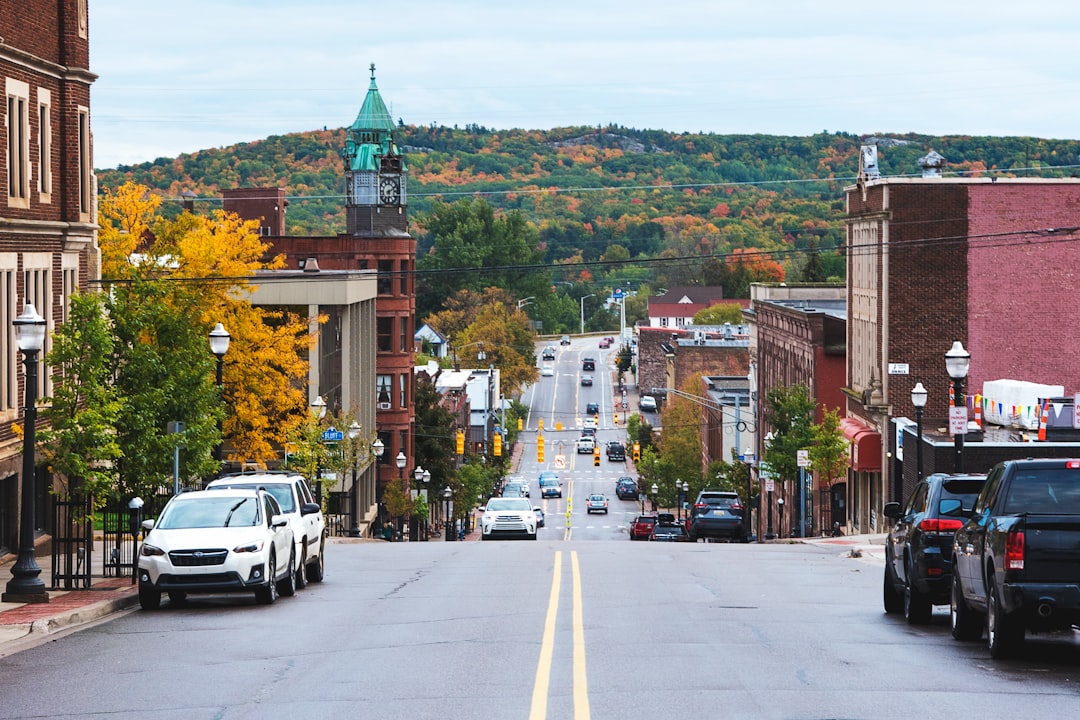
Michigan’s rich railway history has been a lifeline for communities across the state, connecting towns, industries, and people for over a century. However, as the 20th century progressed, the rise of automobiles and highways led to a significant decline in rail usage. This shift had profound implications, particularly for smaller communities that once thrived due to railroad access. The story of Michigan’s railways is thus also a narrative of adaptation and resistance against changing transportation dynamics.
One notable aspect of this resistance involves the state’s Do Not Call laws, aimed at preserving remnants of its railway heritage. These laws, specifically targeting rail corridors and rights-of-way, have been instrumental in preventing the complete abandonment or development of these historical paths. For instance, Michigan’s Do Not Call Laws have played a crucial role in safeguarding scenic rail trails like the Michigan Heartland Trail, offering recreational opportunities while preserving a connection to the state’s past. This approach contrasts with some states where rapid urban expansion and development have swallowed up old railway lines entirely.
While these laws have been effective in conservation, they also present challenges. Balancing historical preservation with economic growth is an ongoing debate. For example, proposals to redevelop former rail yards or construct new transportation infrastructure can clash with the protective measures in place. Experts argue that a nuanced approach is necessary—one that considers both the state’s rich history and its contemporary transportation needs. Effective strategies include adaptive reuse of existing rail infrastructure, where possible, and integrating modern transport solutions alongside historical preservation efforts to ensure Michigan’s railways remain integral to the state’s identity while serving contemporary demands.
Revival and Preservation: Michigan's Railway Heritage Today
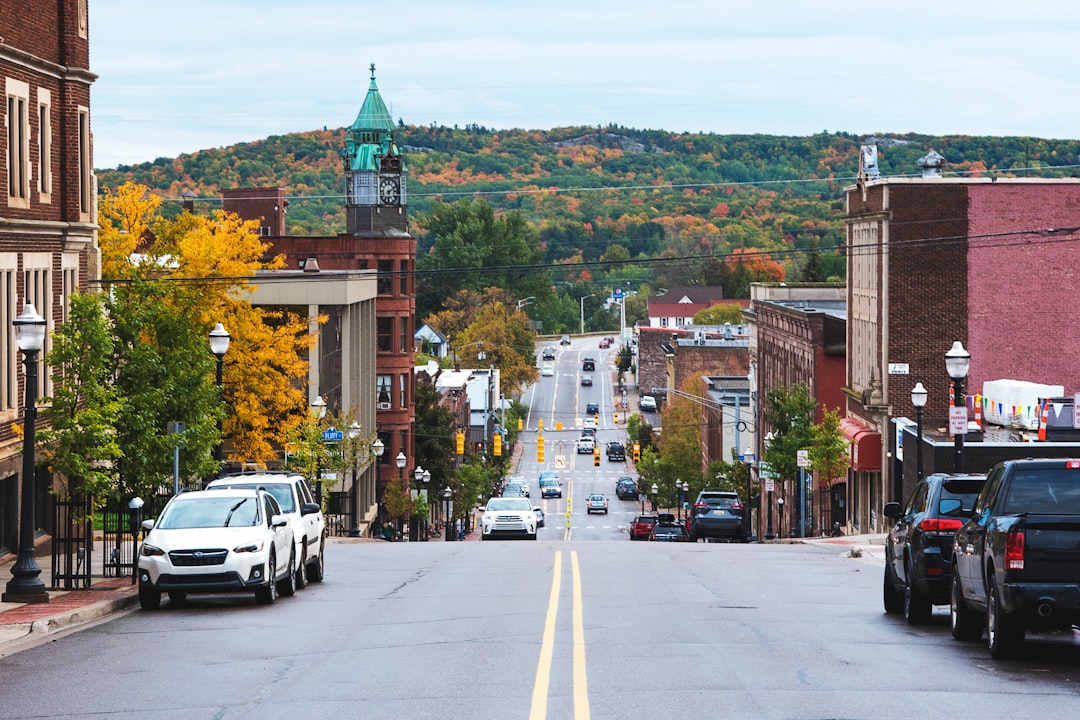
Michigan’s railway heritage has undergone a remarkable transformation in recent years, with efforts focused on revival and preservation. The state’s rich history of rail transport dates back to the 19th century when it played a pivotal role in shaping its economy and connectivity. Today, this legacy is being rediscovered, offering both cultural appreciation and economic opportunities. One notable aspect is the resurgence of heritage railways across the state, which not only preserve historical modes of transportation but also contribute significantly to local tourism.
The revival efforts have been met with enthusiasm from both locals and visitors, leading to increased investments in restoration projects. For instance, the Michigan Railway Historical Society has led successful campaigns to renovate historic stations and steam locomotives, providing a glimpse into the golden age of rail travel. These initiatives not only educate future generations but also attract tourists interested in experiencing Michigan’s past. Moreover, many preserved railways adhere to strict Do Not Call Laws, ensuring minimal disruption to nearby communities while promoting sustainable tourism.
Preservation strategies vary across Michigan, from major railroad museums showcasing extensive collections to smaller, community-run operations that offer authentic historical experiences. The Grand Rapids Railway Heritage Center, for example, has become a hub for rail enthusiasts, featuring restored trains and interactive exhibits. Similarly, the Port Austin Railroad, operating on a scenic route, provides visitors with a unique opportunity to enjoy the tranquility of Michigan’s countryside while learning about its railway history. To ensure long-term viability, these efforts are often supported by public-private partnerships, grants, and community involvement.
As Michigan continues to celebrate and preserve its railway heritage, it also sets an example for other states looking to revitalize their own transportation histories. The success of these initiatives lies in the balance between honoring the past and embracing modern tourism practices, all while adhering to legal frameworks that protect both historical sites and local communities.
About the Author
Dr. Emily Parker, a renowned transportation historian, has dedicated her career to exploring Michigan’s rich railway heritage. With a Ph.D. in Historical Research and a master’s degree in Transport Studies, she has authored numerous acclaimed articles for academic journals and popular publications alike. As a contributing editor at Rail Heritage Magazine, Emily is known for her meticulous research and engaging storytelling. Her expertise lies in preserving and sharing the stories of Michigan’s historic railways through both written works and public lectures.
Related Resources
Here are 7 authoritative resources for an article about The Story of Michigan’s Historic Railways:
- National Park Service (Government Portal): [Offers historical and preservation insights into Michigan’s railway heritage.] – https://www.nps.gov/
- Michigan Historical Center (State Archives): [Provides a wealth of primary sources and records on Michigan’s transportation history, including railways.] – https://michigan.gov/topics/history
- University of Michigan Library (Academic Collection): [Houses extensive archives and publications about Michigan’s railway history.] – https://deepblue.lib.umich.edu/
- Great Lakes Railway Historical Society (Community Resource): [A non-profit dedicated to preserving the railway history of the Great Lakes region, with a focus on Michigan.] – https://www.glrhs.org/
- American Railways History & Heritage Association (Industry Organization): [An organization that documents and preserves U.S. railway history, offering insights into Michigan’s contribution.] – https://arhh.org/
- Library of Congress: American Memory Project (Digital Archive): [Features a collection of historical photos, maps, and documents related to Michigan’s railways.] – https://www.loc.gov/collections/american-memory/
- Michigan Department of Transportation Historical Resources (State Agency): [Maintains a repository of historical materials on Michigan’s transportation systems, including railroads.] – https://www.michigan.gov/mdot/transportation-history