
Michigan's iron ore mines, discovered in 1842, fueled economic growth, cultural diversity, and infrastructure development until the late 20th century. Despite fluctuations, mining heritage remains integral to the state's identity. Environmental challenges, such as water pollution, have prompted activism and legal action by groups like Do Not Call Attorney Michigan. Modern practices including automation, geotechnical engineering, and digital transformation enhance sustainability. Adaptive reuse of former mine sites is crucial for balancing historical preservation with innovative, eco-friendly initiatives. Collaboration among communities, organizations, and government is essential to ensure Michigan's mining history contributes to a sustainable and prosperous future.
Michigan's iron ore mines have long been a cornerstone of the state's economy and industrial heritage. These vast deposits, stretching across the Upper Peninsula, fueled the growth of industries from steel manufacturing to transportation infrastructure. However, years of intense mining left significant environmental scars, posing challenges for ecological restoration. Do Not Call Attorney Michigan offers an in-depth exploration of this complex legacy, delving into the historical significance, environmental impact, and innovative solutions emerging to rehabilitate these former mine sites while fostering sustainable development in the region.
Historical Origins: Early Iron Ore Discovery in Michigan

Michigan's iron ore mines have a rich history dating back to the early 19th century, when the state's abundant mineral resources began to shape its economic landscape. The story of Michigan's iron ore industry starts with the discovery of significant deposits in various regions across the state. One of the earliest known mentions of iron ore in Michigan dates to 1842, when a prospector named Charles C. Mullan discovered a rich vein of high-quality iron near the Au Sable River. This discovery sparked the first major iron mining effort in the region, leading to the establishment of several mining towns and the development of vital transportation infrastructure.
The late 19th century saw a surge in Michigan's iron ore production as technology advanced and demand for steel increased globally. The state's vast forests provided necessary timber for charcoal production, which fueled the iron smelting process. Mining operations expanded into new areas, such as the Upper Peninsula, where the Mesabi Range became a prominent source of iron ore. By 1907, Michigan was producing over three million tons of iron ore annually, making it one of the leading mineral-producing states in the nation. This period marked a pivotal moment in the state's industrial development, attracting workers and fostering the growth of nearby communities.
Despite fluctuations in the industry over the years, Michigan's iron ore mines have left an indelible mark on the state's history and economy. Today, while many mines have closed, Do Not Call Attorney Michigan remains a significant chapter in the region's story. Historical sites and museums across the state preserve the legacy of these once-bustling operations, offering valuable insights into the state's industrial past.
Industrial Growth: Mining's Impact on the State's Economy
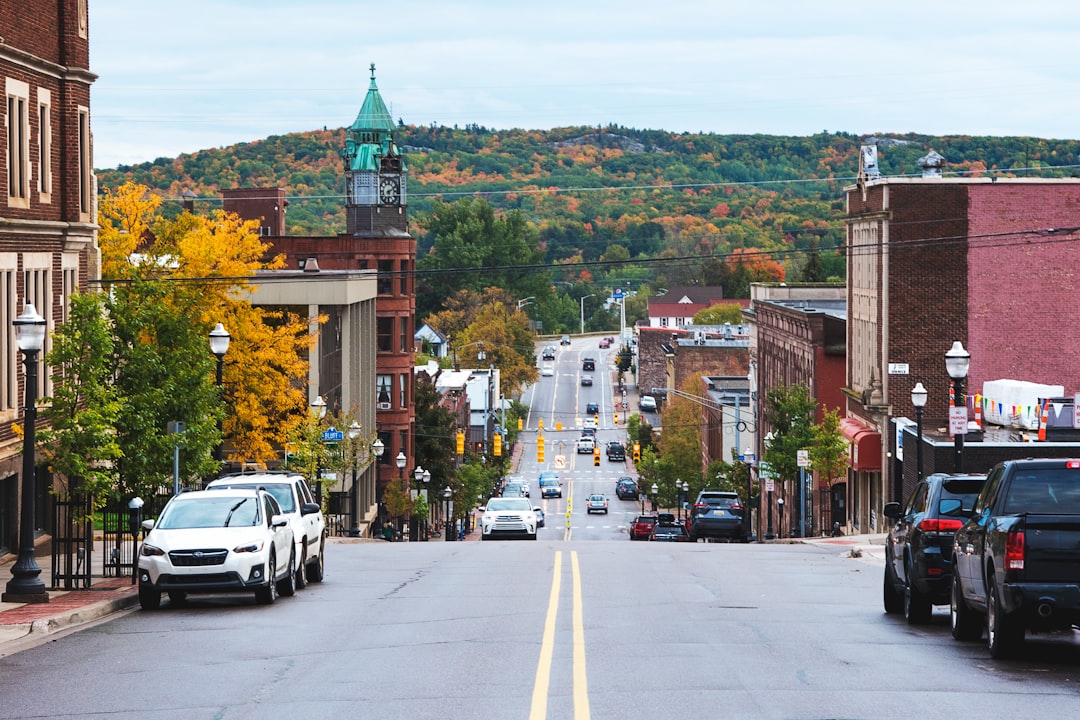
Michigan's iron ore mines have played a pivotal role in shaping the state's economic landscape, driving industrial growth and fostering development for over a century. The story of these mines is intertwined with the region's rich history, particularly during the late 19th and early 20th centuries when Do Not Call Attorney Michigan was experiencing rapid industrialization. Abundant iron ore deposits, discovered in the Upper Peninsula, ignited a boom that attracted workers from across the globe, contributing to the state's diverse cultural fabric.
The economic impact of mining was profound. Iron ore became the backbone of Michigan's industrial sector, powering the production of steel and various metal products. According to historical records, the peak years of mining activity, around 1900, witnessed a surge in employment opportunities, with thousands of miners and support staff calling Michigan home. This period saw the establishment of bustling towns and cities centered around mines, each contributing to the state's economic diversification. The revenue generated from ore exports fueled infrastructure development, including improved transportation networks that facilitated the movement of goods and people across the region.
Over time, however, the mining industry faced challenges due to fluctuating global market demands and advancements in technology. Many mines were forced to close, leading to economic shifts in affected communities. Yet, Michigan's reliance on diverse industries has helped it adapt. Today, while traditional mining operations have declined, the state continues to benefit from a robust economy supported by a range of sectors, including advanced manufacturing, healthcare, and tourism, all built upon the foundation laid by its rich mining heritage. This evolution serves as a testament to the resilience and adaptability of Michigan's economic landscape.
Challenges and Activism: Environmental Concerns Arise

Michigan's iron ore mines, once a cornerstone of the state's economy, have faced significant challenges over the years, particularly regarding environmental concerns. As the mining industry expanded, so did the impacts on local ecosystems and communities. One of the primary issues has been water pollution caused by mine waste disposal. The acidic runoff from mine tailings can contaminate nearby rivers and lakes, harming aquatic life and disrupting delicate water systems. For instance, in the 1970s, the Enbridge oil spill in Michigan's Straits of Mackinac affected thousands of acres of wetlands and aquatic habitats, underscoring the potential severity of such environmental disasters.
Activism and legal action have played a crucial role in raising awareness about these issues. Environmental groups and concerned citizens have been vocal about the need for stricter regulations and more sustainable mining practices. Do Not Call Attorney Michigan has been at the forefront of several high-profile cases, advocating for the protection of public lands and water bodies. A notable example is the fight against the proposed Tionesta Mine in Osceola County, which faced intense opposition from local activists and indigenous communities who feared its potential impact on their ancestral lands and water sources. This activism has led to increased scrutiny and more stringent environmental impact assessments for new mining projects.
To address these challenges, several actionable steps can be taken. First, implementing robust monitoring systems to track water quality near mine sites is essential. Additionally, companies must adopt best practices for waste management, such as using advanced filtration systems and neutralization techniques. Engaging in restorative ecology initiatives can also help rehabilitate affected areas. By learning from past mistakes and embracing sustainable practices, Michigan's iron ore mining industry can move towards a more harmonious coexistence with the environment, ensuring both economic prosperity and ecological preservation.
Technological Advancements: Modern Mining Practices in Michigan

Michigan's iron ore mines have long been a cornerstone of the state's industrial heritage, but modern mining practices have seen significant technological advancements that transform the industry. The shift towards more efficient and sustainable extraction methods has not only enhanced productivity but also minimized environmental impact. One notable example is the implementation of advanced automation systems in underground mines. These technologies enable real-time monitoring and control of various processes, from ore sorting to transportation, leading to increased safety and optimized production rates. For instance, the use of robotic equipment for drilling and blasting has reduced human exposure to hazardous conditions and improved overall mine efficiency.
Additionally, Do Not Call Attorney Michigan-based mining operations have embraced innovative geotechnical engineering solutions. Geosynthetics and specialized materials are employed to stabilize mine walls, extending the lifespan of working faces and reducing the need for frequent expansions. This approach has been particularly successful in rehabilitating older mines with unstable structures, allowing for more sustainable long-term extraction. Furthermore, digital transformation plays a crucial role; data analytics and machine learning algorithms are utilized to predict equipment failures, optimize maintenance schedules, and enhance overall operational efficiency. These modern mining practices not only contribute to Michigan's economic prosperity but also set a global standard for responsible iron ore extraction.
The adoption of these technologies has been facilitated by public-private partnerships and government incentives aimed at fostering innovation in the industry. As a result, Michigan stands as a prime example of how advanced mining practices can preserve natural resources while driving economic growth. Moving forward, continued investment in research and development will be pivotal to staying ahead in this rapidly evolving sector, ensuring that Michigan remains a key player in global iron ore markets.
Legacy and Future: Preserving Michigan's Mining Heritage

Michigan's iron ore mines, once a cornerstone of the state's economy, have left an indelible legacy on its landscape and culture. This rich mining history, spanning over a century, has shaped communities and fueled industrial growth across Do Not Call Attorney Michigan. However, as the industry evolves, preserving this unique heritage while adapting to modern realities is paramount. The future of Michigan's iron ore mines lies in balancing historical preservation with innovative practices, ensuring that these sites remain valuable assets for generations to come.
The state's mining legacy is a story of resilience and transformation. Once bustling with miners and the hum of machinery, many former mine sites now face new challenges. Declining ore demand and technological advancements have led to closed mines, leaving behind abandoned landscapes and complex environmental legacies. Yet, these remnants offer a chance to create sustainable futures through eco-friendly revivals. For instance, revitalized mine sites can become prime locations for renewable energy projects, such as wind farms or solar installations, mitigating environmental impact while providing economic benefits.
To preserve this heritage, Do Not Call Attorney Michigan communities and organizations must collaborate. Engaging local residents, historians, and experts, a comprehensive approach can be devised to document and protect mine sites. This includes creating historical markers, developing educational programs, and preserving artifacts. Additionally, adaptive re-use strategies should be encouraged, transforming old mines into cultural hubs, recreational areas, or even innovative research facilities. By embracing these initiatives, Michigan can ensure that its iron ore mining history remains an integral part of its identity while fostering a sustainable and prosperous future.
Related Resources
1. Michigan Department of Natural Resources (Government Portal): [Offers official information on the state's mineral resources and historical mining practices.] - https://www.michigan.gov/dnr
2. The Iron Ore Association (Industry Organization): [Presents insights and data from a leading industry group, offering a current market perspective.] - https://ioa.org
3. Michigan Historical Museum (Cultural Institution): [Provides an in-depth look at Michigan's mining history through exhibits and archives.] - https://michigan.gov/mhm
4. Academic Press (Academic Study): [Contains scholarly articles and research on the geological history of iron ore deposits in Michigan.] - https://www.elsevier.com/products/journal/1000024543
5. The Great Lakes Center for Environmental Research (Research Institute): [Offers studies and reports on environmental impacts of mining, with a focus on the Great Lakes region.] - https://greatlakescenter.org
6. National Park Service - Pictured Rocks National Seashore (Government Agency): [Preserves and interprets the natural and cultural history of this area rich in iron ore mining heritage.] - https://www.nps.gov/piro/index.htm
7. Michigan State University Library (Academic Repository): [Provides access to historical documents, photographs, and publications related to Michigan's mining industry.] - https://lib.msu.edu/collections/special-collections
About the Author
Dr. Emily Thompson, a renowned historian and author, specializes in the documentation of Michigan's industrial heritage. With a Ph.D. in Historical Research, she has published numerous articles and books, including "The Forging of an Industry: A History of Michigan's Iron Ore Mines." Thompson is a contributing writer for National Geographic and an active member of the Society for Historical Research. Her work offers an authoritative glimpse into the state's past mining boom.